

Maritime archaeology — discovering the ghostly shipwrecks of the sea
What does it really feel like to discover a shipwreck resting on the seabed? In this episode of Career Crossroads, I speak to maritime archaeologist Darko Kovačević.

Hello, listeners, subscribers, and curious minds. Let’s get into underwater excavation mode! Below, you’ll find a transcript of this Career Crossroads podcast episode featuring Darko Kovačević, a maritime archaeologist who shared his journey with me (and now with you). The conversation has been transcribed from the original audio and lightly edited for typos. Let’s dive right in and discover what maritime archaeology is all about. This publication is reader-supported, so to keep the quirky stories coming, please consider a paid subscription or a small contribution.
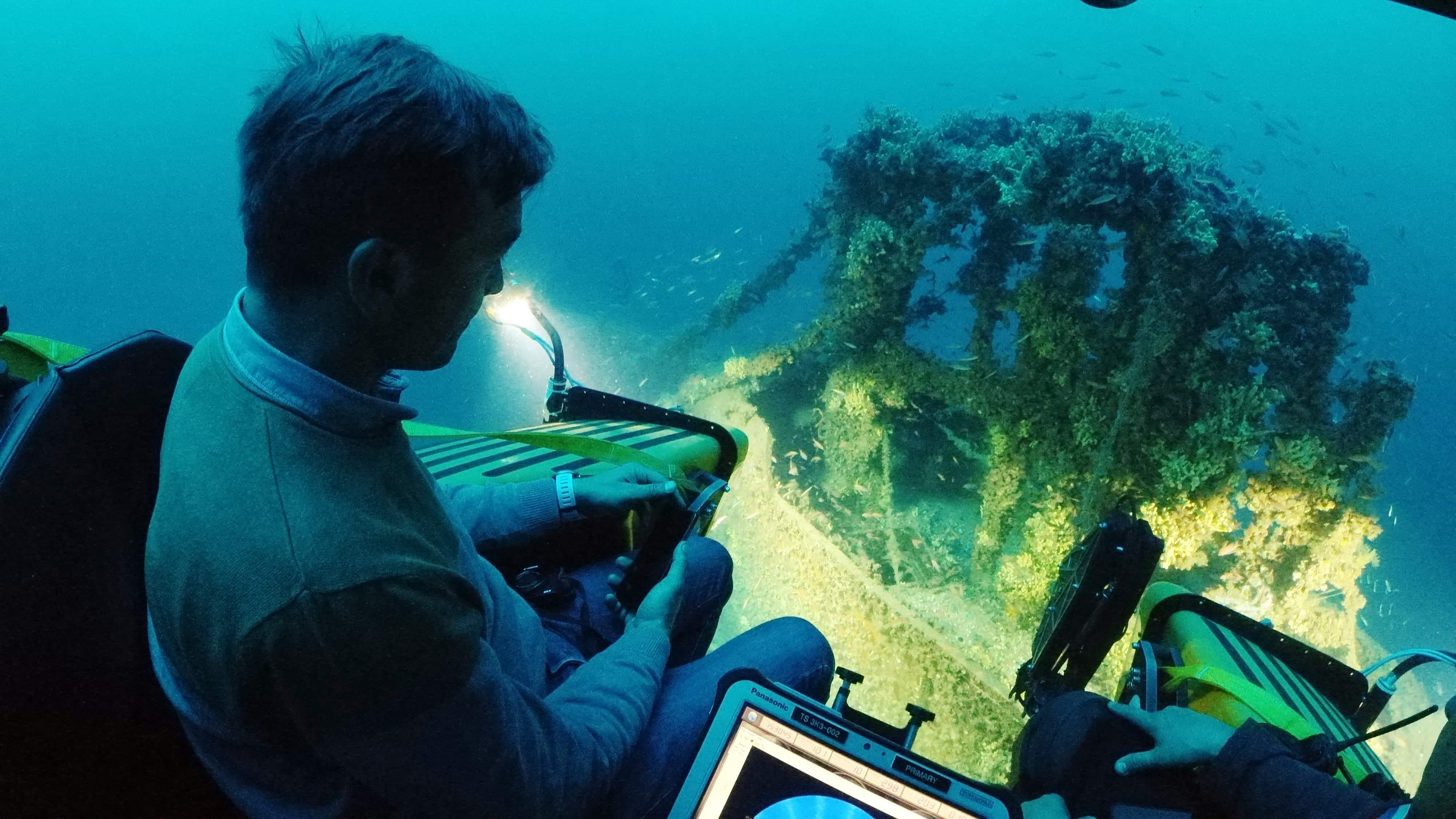
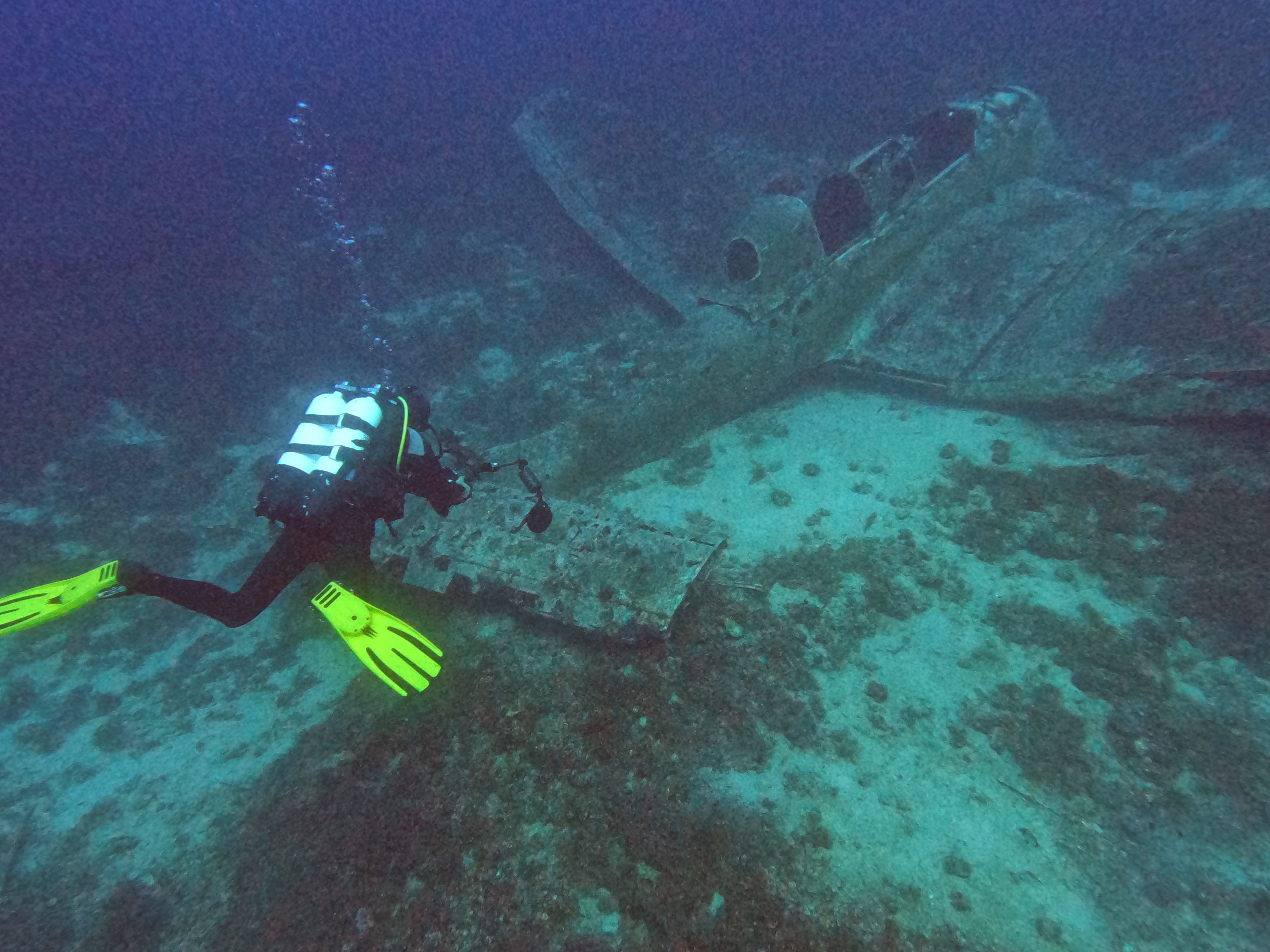
Darko Kovačević (DK): If you see the ancient shipwreck, it’s not so overwhelming, but when you see the modern shipwreck, that’s really the weirdest feeling I ever experienced in my life. I always compare it with how you would feel to find a deserted human colony on Mars.
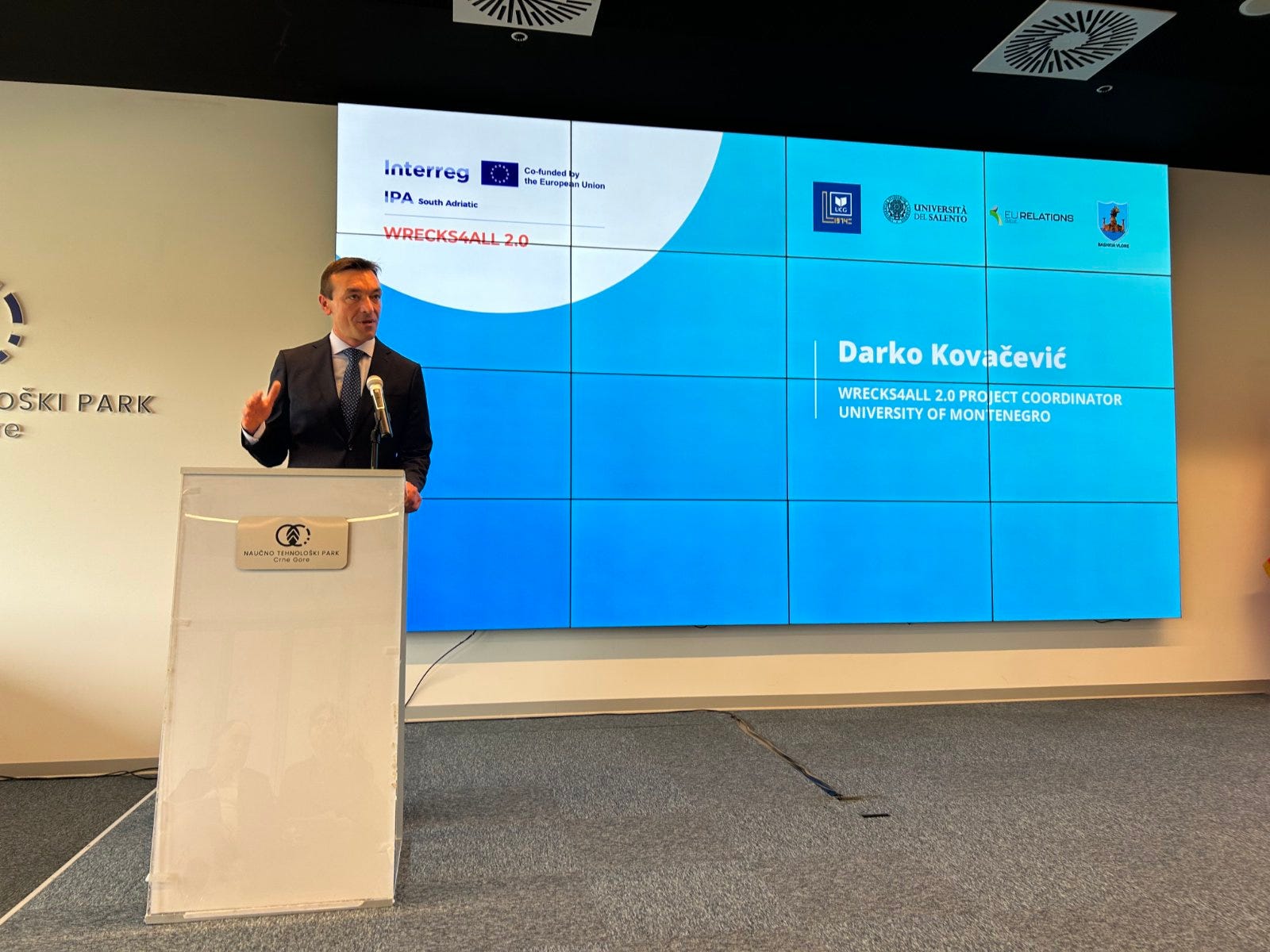
Melita Cameron-Wood (MCW): Hello, everybody. This is Melita Cameron-Wood, and I’m the host of Career Crossroads, where we’ll be talking about some of the careers that you perhaps never knew existed. Today we’re talking about maritime archaeology. My special guest for you today is Darko Kovačević, who is based in Montenegro and Malta, and he actually set up the Cultural Heritage Research Unit for Maritime Archaeology at the University of Montenegro. Hello, Darko, it’s great to have you with me.
DK: Hello and thank you very much for this wonderful opportunity.
MCW: No, thank you. I’m really excited about digging into what maritime archaeology involves. But first of all, I’m curious to hear what it was that made you want to get into this career in the first place.
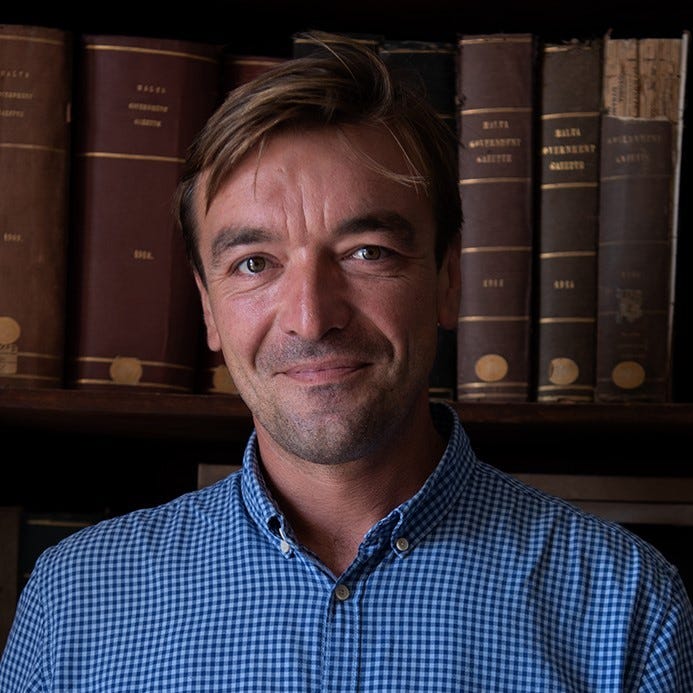
DK: As a child, I grew up on the coast of Montenegro. Regardless, I am from Serbia, and I was really always fascinated with the sea, but the conditions of the region during my formative years were not really easy. It was the civil war, etc. So later on, I started studies in history, which was really amazing, from the point of learning about the people and about the processes that were forming the present. Then, when I graduated, I got work as a tour guide in Greece, where I started diving. At a certain point, I thought, “OK, I should combine diving and history and try to get the education in underwater archaeology.”
MCW: Wow. I imagine it must have been very difficult, as you said, during the civil war, trying to carve out a career that was so niche.
DK: Yeah, it was so niche. And even today, apparently in the region it’s not so developed. But back in those days, you could not really ask for something like “underwater archaeology”. That would be really kind of a hallucination. Everyone will laugh at you. But after the region settled, and the civil war was done, and the things started getting better, I started looking for it.
So, through the travels that I did along the Eastern Mediterranean, this desire brought me to Alexandria in Egypt, where I started my MA master’s degree studies at the University of Alexandria, in the centre of maritime archaeology and underwater cultural heritage. Over there, they had a programme, which was really amazing. That was the first centre in the Arab world, and I was the only guy and the first person from Europe who came to study. So that was a really, really amazing time that I spent there. And I learned a lot from the professors, and I learned a lot as well from the students. And after the Egypt phase, I connected with the people from Greece and from the rest of the Mediterranean, because the community of underwater archaeology is not so huge.
We all know each other, all around the world, almost. And then you know, from the project to the project, the career was evolving. So, let’s say, at the peak of my career and most exciting part of the career was in Malta, but then with all that experience and the knowledge that I acquired, I decided to come to Montenegro and just to contribute to the development of this science in the country that in the beginning sparked my desire to explore the sea.
MCW: And how did people react, like friends and family when you said that this was what you wanted to do?
DK: Well, most of them, they didn’t even have an idea what is the concept of the profession.
MCW: OK.
DK: But some of those were supportive, some were adaptable, but I was very dedicated and stubborn to get there. It’s just like I wanted to satisfy the curiosity or the knowledge of underwater archaeology and everything that is related to the exploration of the sea.
MCW: How long have you been working in maritime archaeology, and how has it changed and evolved over the years?
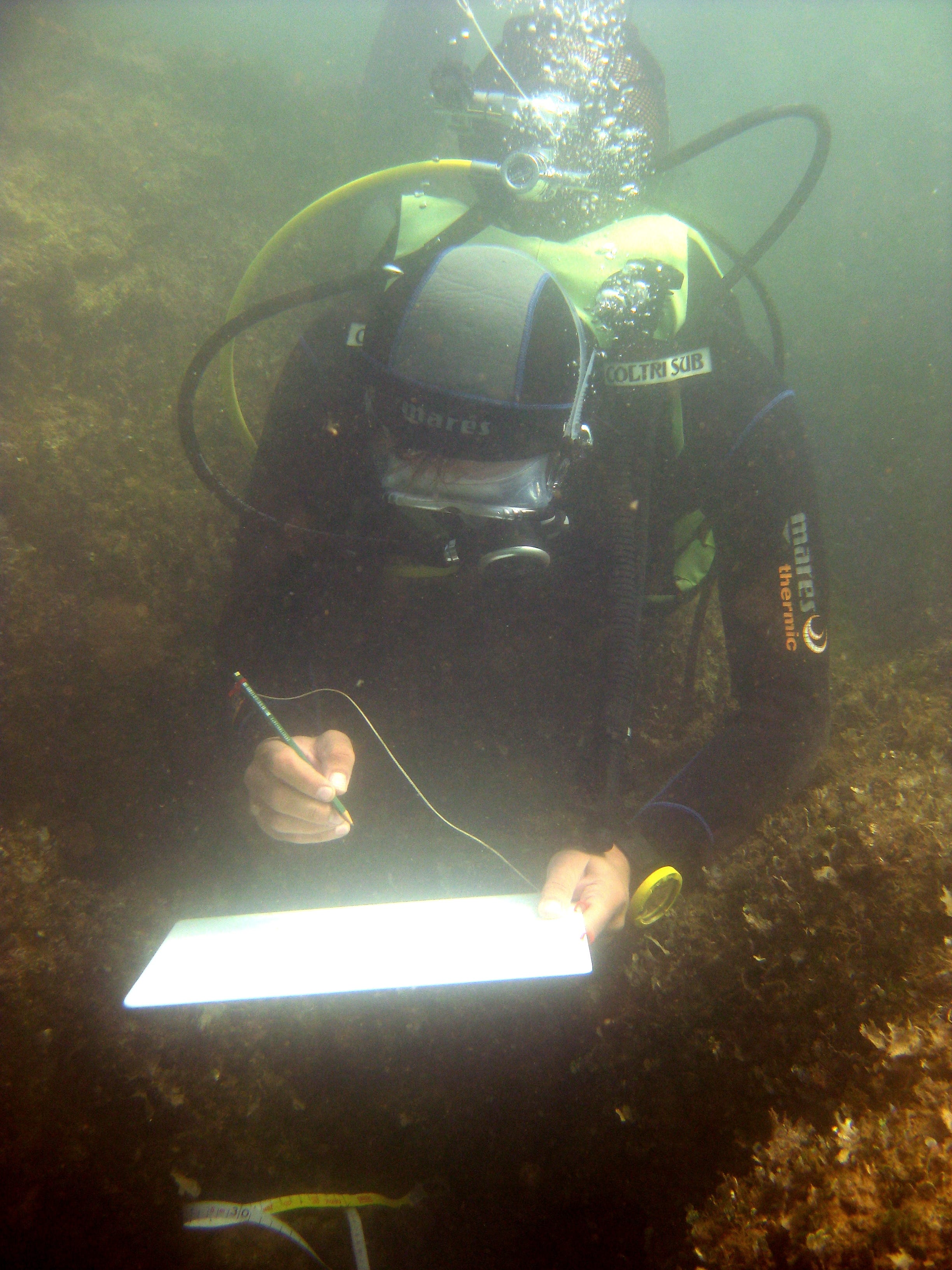
DK: Well, I can say that I’m really dedicated and active in the field for the last 15 years — so let’s say from 2010 more or less. From the last 15 years, I can say that it changed dramatically, because when I got into the field, it was a traditional type of underwater archaeology done by the measuring tape and hand-drawing, and today, with all the technological development, the field completely evolved. Today it’s cheaper, and it requires fewer people, but the technology is jumping in — so all the digital tools that are developed, underwater robots, special cameras, sonars for the documentation of the very deep-water sites — they transformed the field, and they made it not only easier for practitioners, but also very appealing for the general public, because now all that we are doing under the water is very easy to disseminate and to spread to the public through the digital platforms, social networks, etc. So people, they can get insight in our work, like in the real time almost.
MCW: Has AI impacted maritime archaeology at all?
DK: Yeah, it did.
MCW: In what ways?
DK: The AI is actually the newest technology that came into the field. So, for example, today, with the AI, we can teach the Geographical Information Program to process a huge amount of data, looking for the patterns and discovering sites on its own. So then, we can use the AI to interpret the material that we discovered. So just like passing the photos through the AI, the AI can conclude, and sort out, and classify all our finds, apparently not perfectly, but it can save us a lot of time during the processing phase of the research, and can give even some conclusions or draft some articles and the texts that can be then later edited by the scientists.
MCW: And would you say technology is seen as a threat in this sector, or not really?
DK: I would see it as an advantage, which is making the work quicker, less expensive, and more publicly available. Because now, for example, with the 3D models, this is the first time in history that the people who are not diving, they can re-explore one underwater site in detail. They can’t do it with the photographs or the videos, but with the 3D model, they can zoom in. They can penetrate. They can just kind of observe different details on the shipwreck, for example.
MCW: Wow. Do you know what? I’m glad to hear that it’s not being seen as a massive threat, because I think too often these days, we’re hearing, ‘AI is going to take my job!’ Over the course of your career, I imagine there must have been a lot of highlights, and I was wondering if you could share a few memorable moments with us.
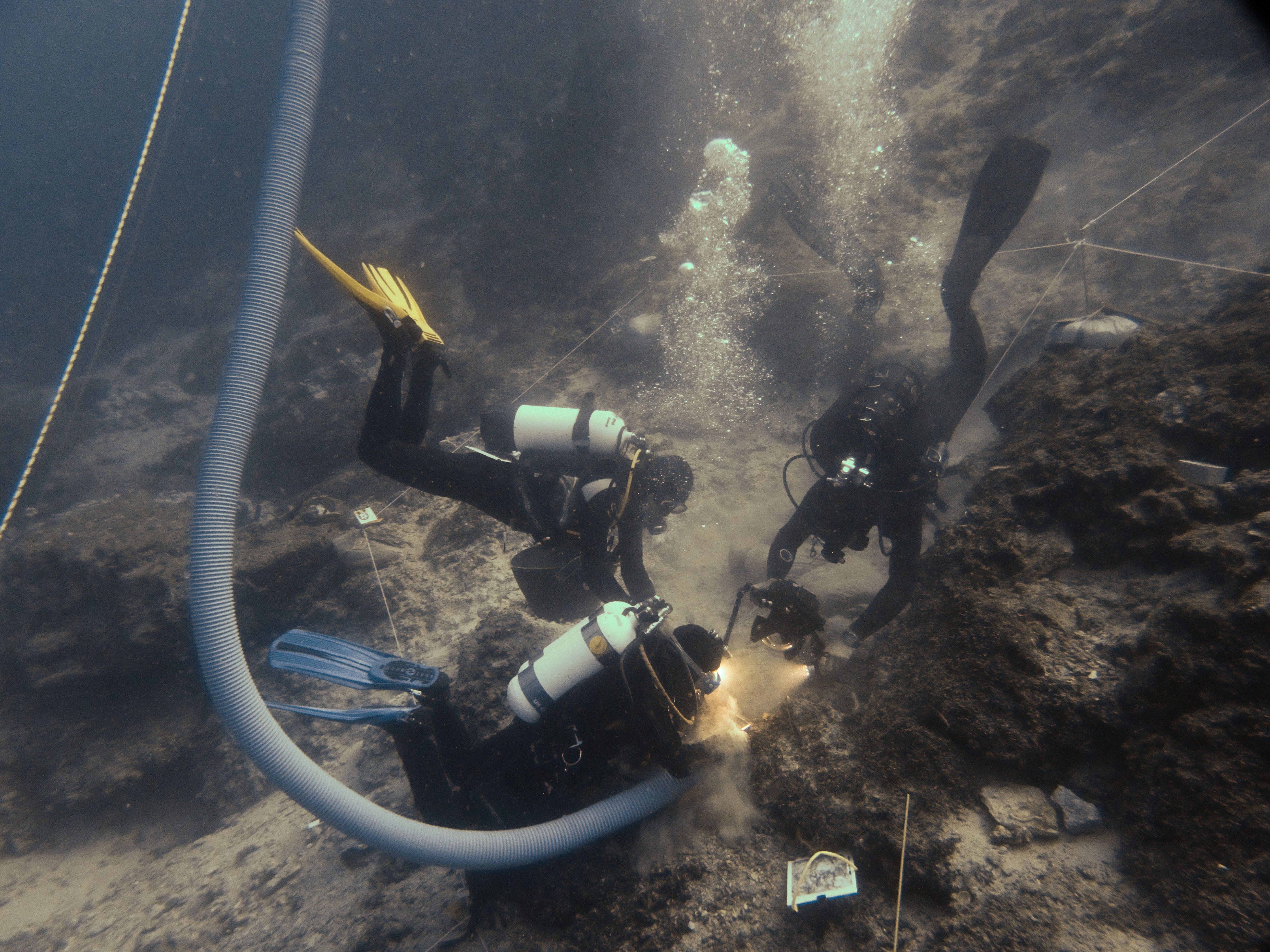
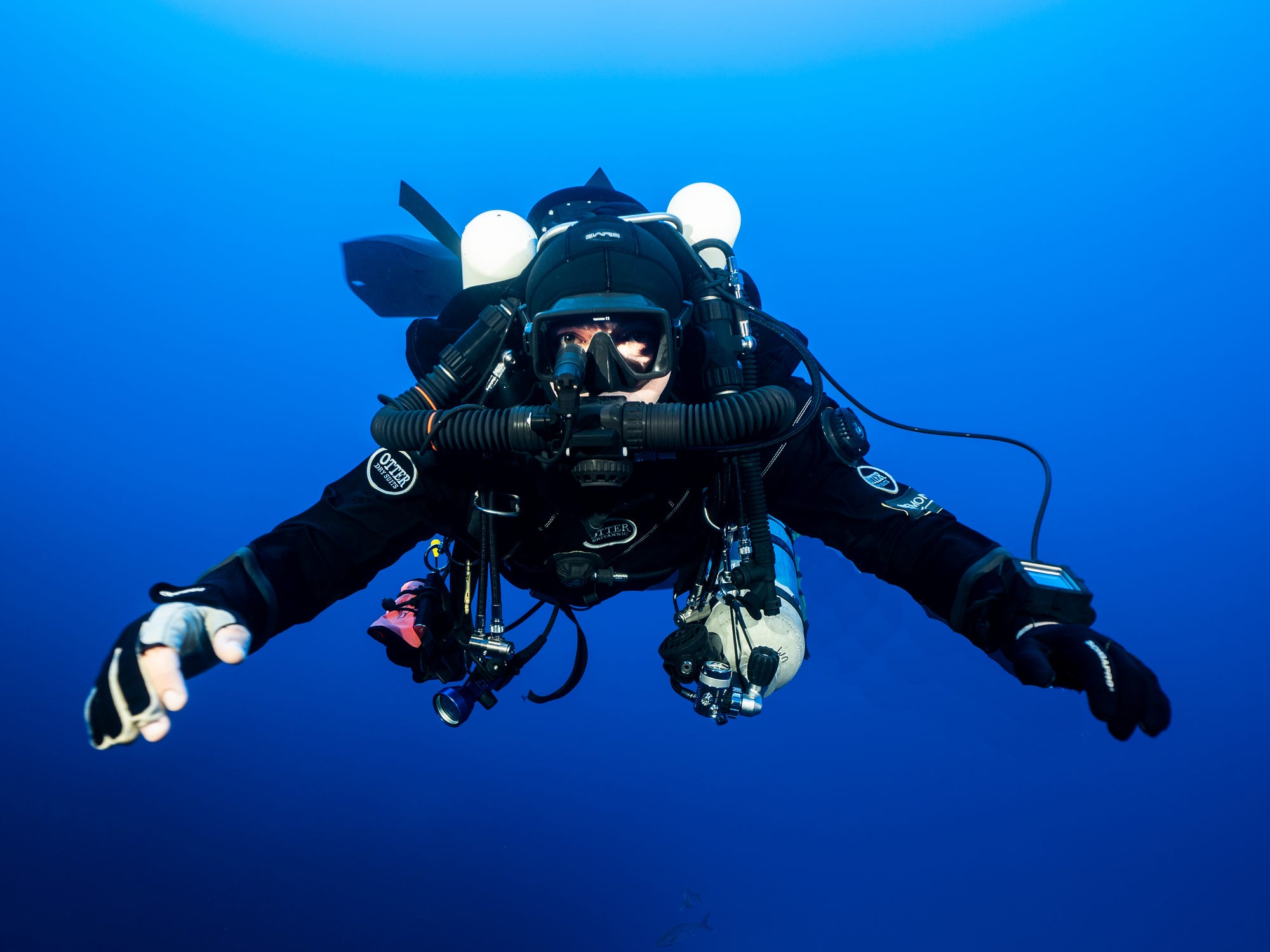
DK: Well, I have to say that since the beginning of the career, it was really, really exciting. All the projects I was involved in, they were very different in different parts of the Mediterranean and the world as well. I was always surrounded with really amazing people. That’s something that is really an advantage of this profession and of that work: that you are always surrounded with some like-minded people, very easy-going people, regardless from where they are, you are all involved in one adventure, and you want to have success. For example, it was very amazing to participate in the underwater archaeological expeditions in Egypt and then, for example, in Greece, the discoveries that we made in the Fourni Islands, then the excavations of the Mycenaean shipwreck in the Modi Islet near to Poros was as well, one of the highlights of my career. Then I have to admit that, like the work in Malta for four years with Professor Timmy Gambin was the highest peak of my career, because I have been involved in some projects that really were groundbreaking, and they moved the limits and everything that we knew that underwater archaeology was before. So, let’s say that Professor Timmy Gambin, he opened a new chapter of underwater archaeology, excavating the Phoenician shipwreck. It was from the eighth century BC. It was very valuable for Maltese people, because their identities are coming from the Phoenicians. Professor Timmy, who discovered the wreck, decided to prove that underwater archaeology can be done by the book in the traditional way of excavation and documentation at the depth of 110 metres, which was really extreme. The success was to get down to the hull of the boat and to see the timbers which were connected. And the boat is built in the Phoenician tradition.
MCW: Wow. It’s incredible that it was still there eighth century. That’s ancient. What does it feel like when you first arrive underwater and you first see this shipwreck before you? I imagine that must be a really overwhelming feeling.
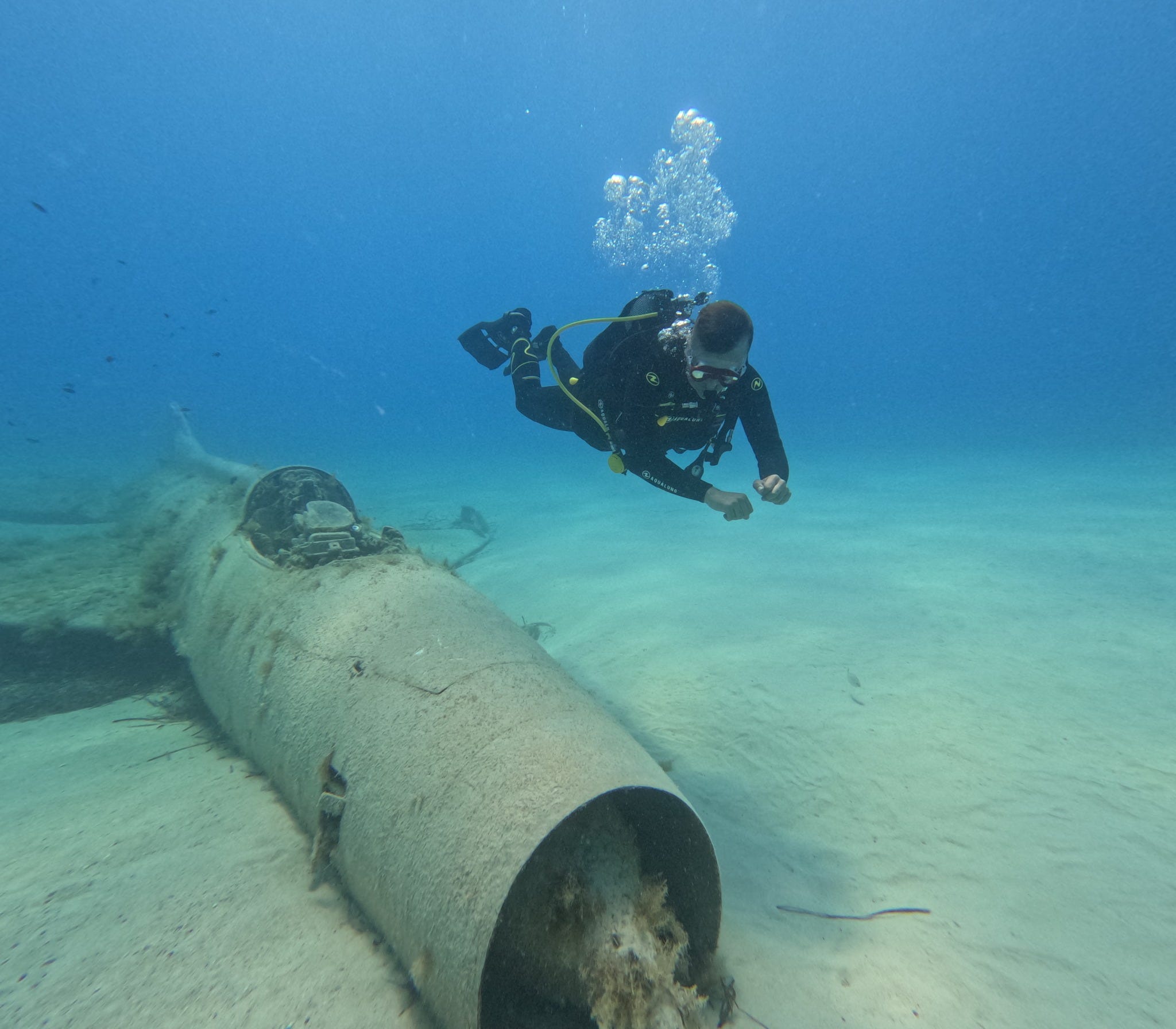
DK: Well, I will tell you something — that if you see the ancient shipwreck, it’s not so overwhelming, but when you see the modern shipwreck, that’s really the weirdest feeling I ever experienced in my life, because you are under the water in something which is a completely different world, where humans cannot remain alive for a long time without the support of different apparatus, sort of equipment, and technology. You are facing the human object, which is lying on the, let’s say, for humans, lifeless environment made by the human hands. And then, my feeling inside was always very spooky. It’s like, like alienation, like left alone somewhere in some deserted area. I always compare it with the vision how you would feel to find a deserted human colony on Mars. You see the human structures in the environment where humans are not originating from, and they cannot sustain their life there without the support of the technology. So, it’s the same under the water — very, very spooky, spooky feeling that I feel alone in the world. It’s really, really strange. But for example, when you see the natural environment and the ancient shipwrecks, which are, you know, usually amphoras made of clay and made of wood, you don’t really feel this so intensively as when you see the huge cargo shipwreck or warship under the water.
MCW: I can imagine it being very ghostly, almost.
DK: That’s the term that can describe it. But inside of you, you know, inside of your soul, it’s… — I can’t explain that feeling. It’s very unique. Through all my life experiences, I never found anything parallel to that feeling.
MCW: Wow. That’s fascinating. Is there such a thing as a typical day in your line of work? Does that exist? I imagine you’re not underwater all the time.
DK: It is very diverse. It’s a combination of the field work and the office work. So let’s say here in the Mediterranean, usually during the spring and summer and the part of the fall, we would do the field work. We will go more often to dive and to explore the sites under the water, while in the wintertime we are mostly in the office and working with all the data that we gathered, with all the materials, writing the papers, etc. So it’s very dynamic. Then, if you work at a university, this is one pattern. But if you work, for example, for the heritage protection agency, your work could be, maybe, you know, a little bit more dynamic, because some diver or fisherman will discover something today, and then you will have to pull suddenly from the office on the boat and run there to make a dive, to assess the site and see what is the discovery about, while at the university you have mostly programmed fieldwork and the research and work on your publications.
MCW: Have you seen a big impact of climate change underwater when you go on these dives?
DK: Well, climate change is actually currently in our focus, and like we recently created, even the network. Climate change is affecting underwater cultural and coastal heritage: storms, warming of the sea, the sea level rising, and all of these are our concerns that we have to find a way to mitigate, to find a way to protect the underwater cultural heritage as much as it is possible. So, this is something that is mobilising a lot of people in our field currently. And we are all switching to these studies, and we are involving, actually now the colleagues from the field of climatology, geology and all the meteorological sector of sciences.
MCW: I would like to know which areas around the world are the best for maritime archaeology. Which ones really stand out for you, where you think, ‘wow, that project was amazing…’?
DK: Yeah, without intent to insult anyone from any other part of the world, definitely the Mediterranean is the most exciting, as it’s the most ancient sea on this planet, containing a lot of history, and like all the nations are surrounding it — just like the projects in Greece, in Malta, the projects in Italy, in Spain, I mean basically in all the countries. In Egypt, for example, where you can even dive on remains of the ancient lighthouse, which is one of the seven wonders of the ancient world. So basically, that’s the beginning. But then if you go to South America, for example, or Caribbean, it’s exciting as well, like Caribbean is offering the underwater archaeology of the modern age, but there you can discover the shipwrecks with a lot of golden and silver coins, which were used by the Spanish during the rule of South America.
MCW: Wow. Okay, I mean, that’s an interesting point. I wouldn’t have really thought about the age of the shipwrecks, but I suppose now that you say it, I can imagine the shipwrecks in the Mediterranean must be a lot older. I wanted to ask you, what do you think the key skills are and studies, perhaps, that somebody might need to get into maritime archaeology?
DK: The passion for the sea and the ability to get a little bit out of the comfort zone. Because most of the field work is done in the amazing and fascinating remote areas in different oceans and different seas. But when it comes to the skills, and let’s say professional development that is necessary to be conducted to get into the field, I must say that the background, it’s not really important to be really archaeology. It can be very different. There are many colleagues with different professional backgrounds, like civil engineering or machine engineering, etc., who then switch to our field through different academic studies. So, either you do a bachelor degree in archaeology or any other humanities. Or later on, during the master’s studies, you opt for underwater and maritime archaeology, and you get specialised. Some people are joining our field on the PhD level, and they are combining their previous profession, and professional experience, educational background with maritime and underwater archaeology.
Then the second skill set is, like, sea-related. Those are the marine skills. Like, it’s very preferable that a person knows how to dive and can kind of handle the boat or man the boat, and have these mariner skills in order to participate in the field work. But also there are all other skills, like photography, videography that is very valuable in our field, like knowledge of GIS systems and 3D photogrammetry, for example, can also contribute. So apart from this, there are also personal, let’s say, skills and competencies, because maritime and underwater archaeology is teamwork so it’s very important that you have the personality that is able to fit within the team, which is usually intercultural. So there are many different parts of the world and many people from different countries and cultures. So it’s very important to know how to manage yourself within the team and to contribute reasonably. And it’s very important to have good communication skills, because today is a digital age, so you can promote your work and promote your team and communicate and make the network and connections, which is as well, very important to give you tomorrow, the better career options.
MCW: You mentioned GIS then. But what is that? GIS technologies?
DK: Yeah, GIS technologies. “Geographical Information System” that we are using for documentation process. For example, when we discovered the site, we are recording it, and then we are inputting all the data within the geographical information system, which is kind of the database that is used later on for us to do the detailed research and to publish the papers, books, and monographs, for example, and to produce the comprehensive maps of the sites so the readers can understand how the site looks.
MCW: Wow, absolutely fascinating. I’m just imagining this intercultural team under the sea. It sounds like a lot of fun. I have a slightly delicate question, but feel free to not answer if you don’t want to, but obviously, when people are thinking about which career to do, they often think about money. Would you be able to give me a rough idea of, like, what people might be able to earn?
DK: Well, it’s very hard to say the range of the salaries or reimbursements, because it really differs from the country to the country. And what is a little bit of a drawback in this case is the fact that the young students are usually hopping in as volunteers to gain the experience. And then, it’s not only the archaeology and underwater archaeology that you have to be kind of professional in, you should be also a good diver. And this is also the development phase and requires time to develop as a professional diver and then to build the network. So basically, as someone is progressing with his studies and other skills which are required, the career is evolving and salary is increasing, for sure.
So it really depends from where the person is, because in the UK it’s one framework. In Australia, it’s different. But then in Egypt, it’s completely a third framework. So it’s very hard to speak, but if someone has a passion that after certain years in the field, the person 100 per cent evolves to the different leadership positions. There are many of our colleagues who are in different organisations or institutions taking over the leadership positions. Because the challenge of this profession of underwater archaeology — rocking on the boat, sitting in the office, doing the fieldwork, and then research and scientific works — is so diverse that at a certain age, it all converts to something which is really kind of professional recognition.
MCW: And how can people get that voluntary work? Should they contact people who are already working for universities in maritime archaeology? Or how does that work?
DK: For example, I’m receiving many emails from the early career colleagues who are asking for the opportunities for internships or voluntary work on the different projects. And that’s the best way to communicate. You can research online, and then you can see, ‘Wow, this is really attractive project I can find myself.’ So you just send an email to the project director. Well, none of us would ever reject if there is a space and a framework for the voluntary work and the students to participate. We will always welcome them, because that’s the way we started as well.
MCW: And what types of professional development do you need to do once you’re working as a maritime archeologist?
DK: Some people, they like to specialise in geology. Some of those in the 3D modelling and 3D documentations. Some are really more into geophysics and remote-sensing documentation and equipment. Some people, they just like to excavate and to be perfect divers. It really depends on the personal affinities, let’s say, and the preferences, and also sometimes, the projects that the person is involved in are dictating further professional development. For example, today, with the evolution of the digital realm and the media, we have colleagues who are specialised in communication. So, they are very valuable because they are spreading the information about our projects and the necessity for protection of underwater cultural heritage through various digital media and platforms.
MCW: There’s so much diversity that goes into the career. Thank you so much for taking the time to talk to me and share all of your knowledge about maritime archaeology. I’m sure you’ve inspired lots of people out there. And if any of our listeners want to get in contact, do give us a follow @career_crossroads_podcast on Instagram, and you can also find us on Spotify. You are probably already here if you are listening to this. In the meantime, take care, guys. Thanks. Darko, bye.
DK: Bye.
Fascinating ! I'm off to look up that ancient Egyptian light house
Yes, I felt like any longer would have been too long. And I know what you mean, the human stories that aren't directly about war but showcase how people emerged from difficult circumstances are just as important.