


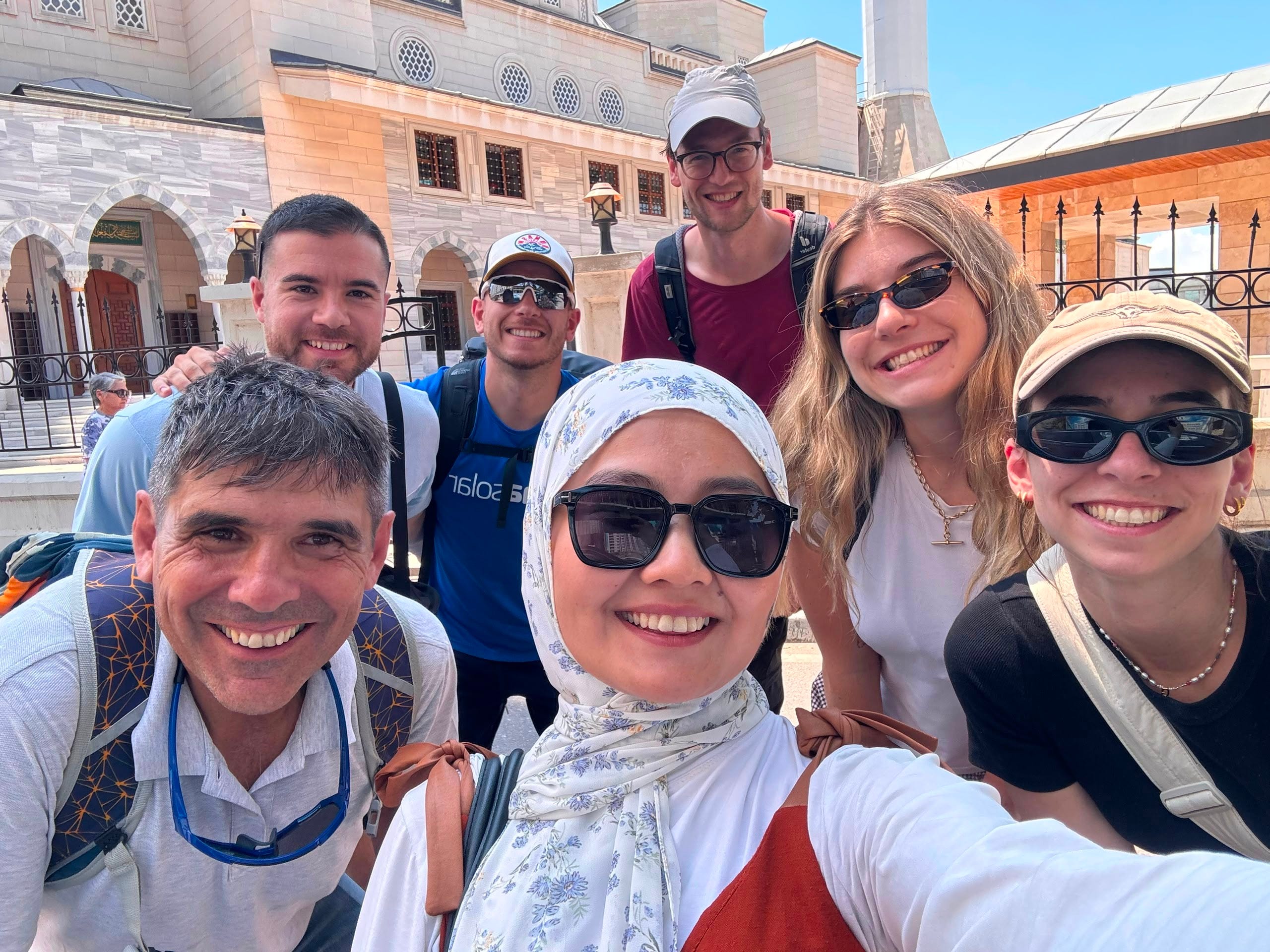
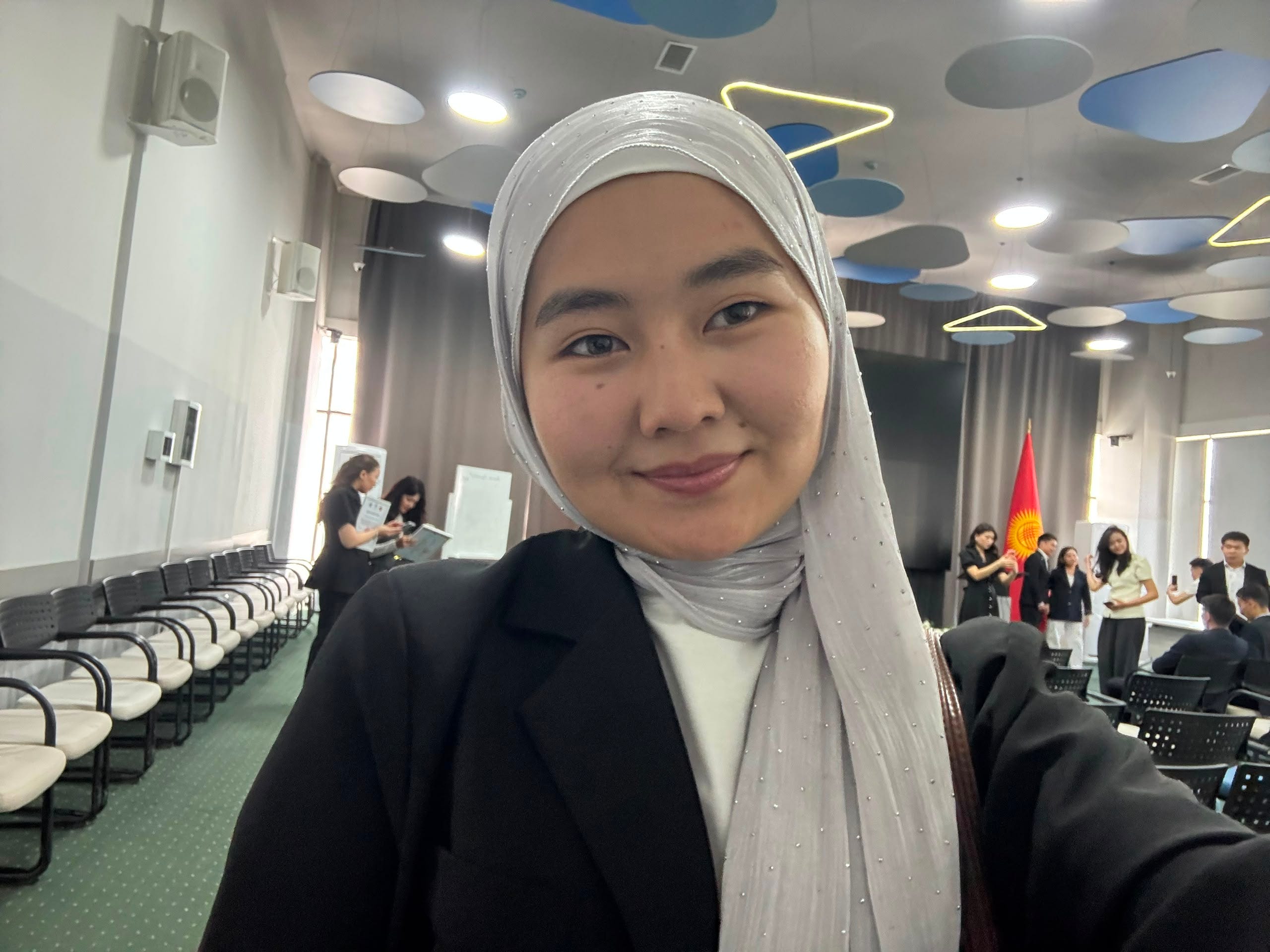
I first met Nurbübü Abdirashitova in Ala-Too Square, Bishkek. I couldn’t check into my hotel until that evening, so I’d found a free walking tour on Guru Walk. Nurbübü was our tour guide, a charismatic 19-year-old, who spoke to us in impeccable English, her third language after Kyrgyz and Russian.
Nurbübü told us that she was originally from Gaz village in Batken, a sparsely populated area of Kyrgyzstan near the Tajik and Uzbek borders in the southwest. Her family had moved to the Chüy Valley when she was seven years old. These days, they live in Tömönkü Chüy village, around one hour from Bishkek. “Apricots grow in Batken, but here we grow red peppers instead,” she told us, with a nostalgic air that felt beyond her years.
I felt the hot June sun burning my cheeks as we stood next to the biggest flagpole I’d ever seen. It stood at 100 metres and waved in the wind, greeting our craned necks from above. I’d read about Central Asian flagpoles in Erika Fatland’s Sovietistan. The Stans seemed to have battled it out in a game of “Look, mine’s bigger than yours…” ever since the fall of the Soviet Union.
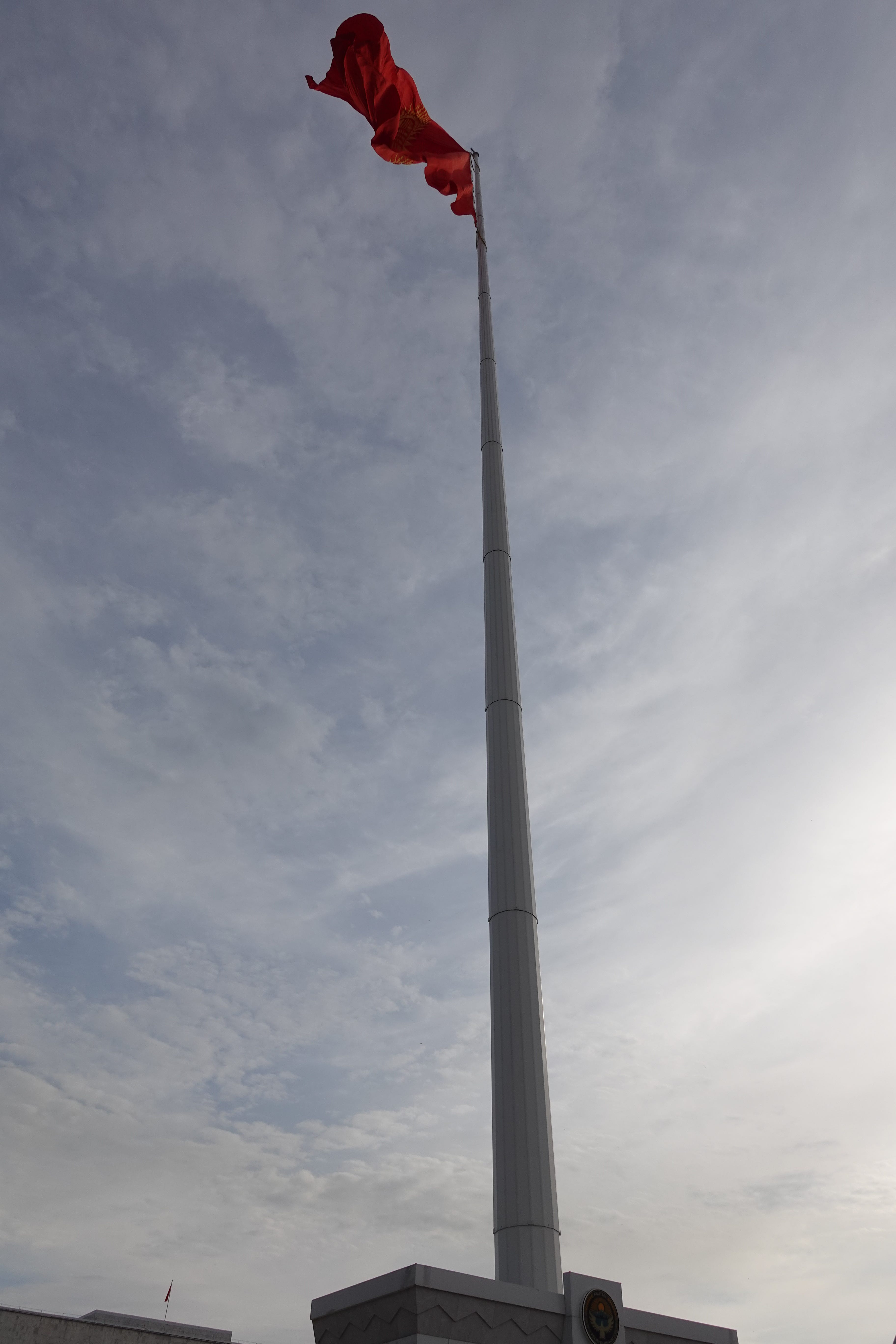
Nurbübü pointed to the flag and explained the symbology behind it. The tunduk, the centerpiece of the roof of the yurt, a symbol of home, could be seen in the centre and the sun had 40 rays, representing the 40 Kyrgyz tribes that make up the nation.
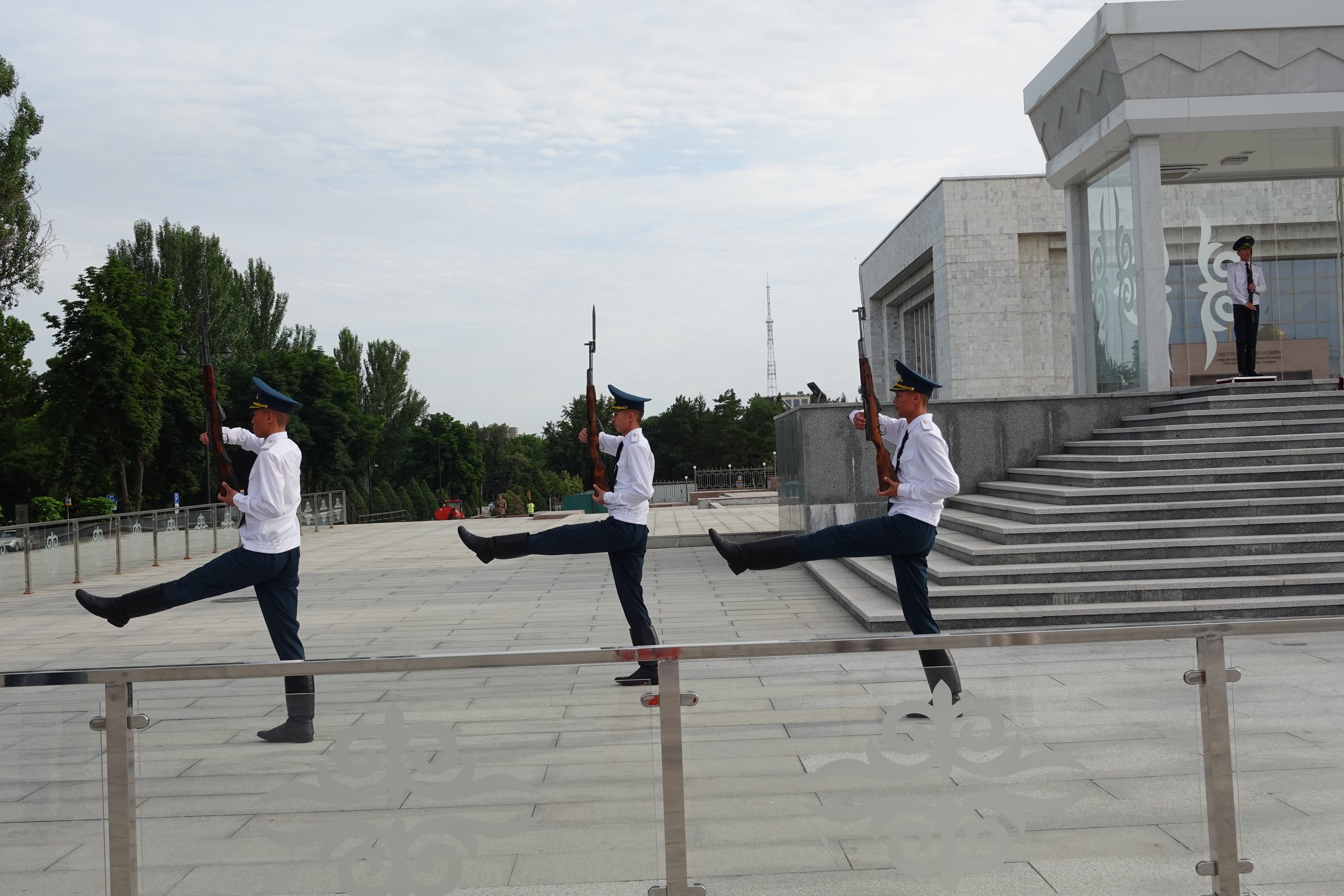
As the hour struck, my gaze was brought back to the ground. The changing of the guards had commenced. Three sullen uniformed men thrust their polished boots skyward in a showy march, while three equally sullen men crossed paths with them. Nurbübü jokingly warned us not to step over the low glass barrier separating us from the guard to avoid being shot. I couldn’t quite tell if she was joking, so I didn’t try my luck.
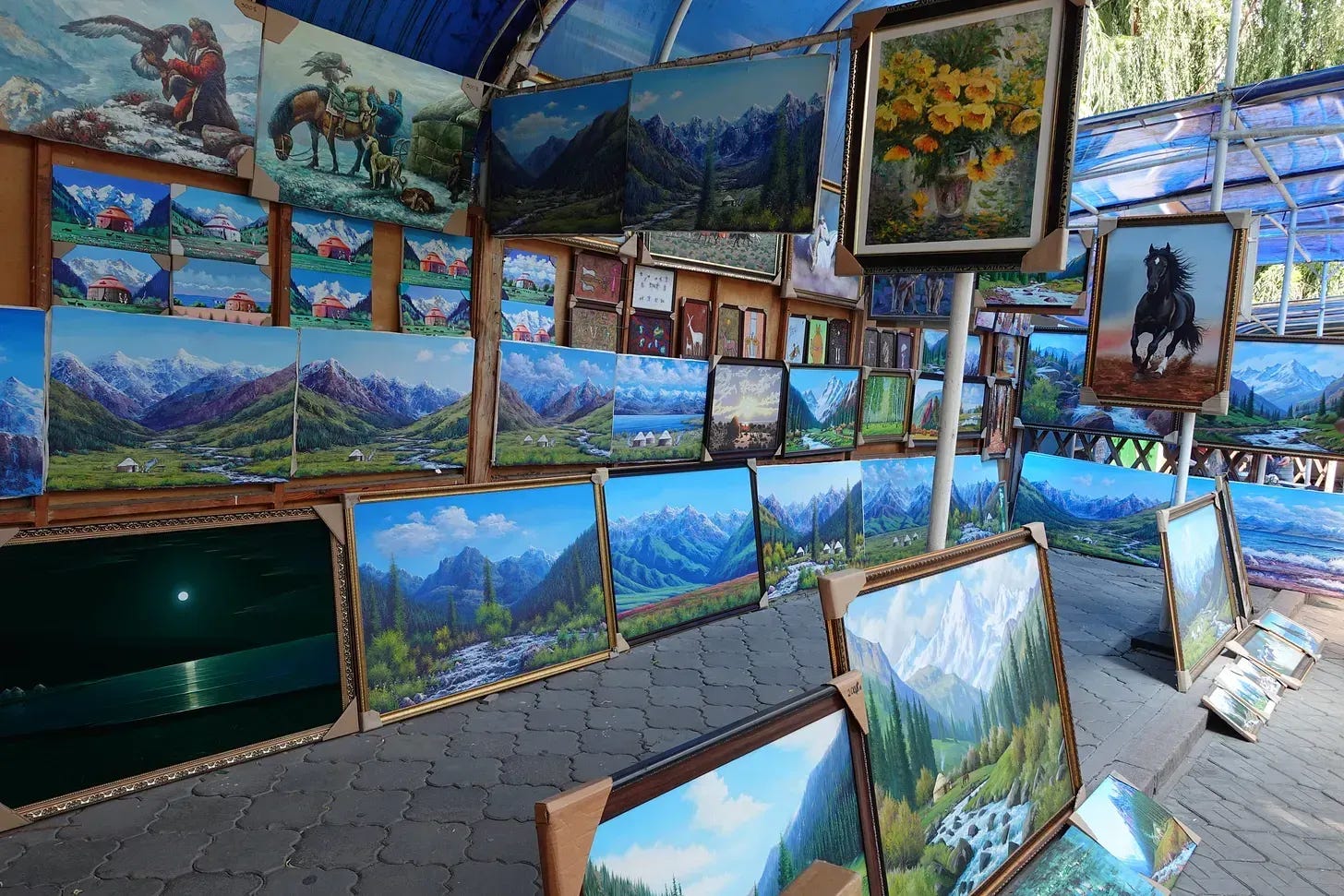
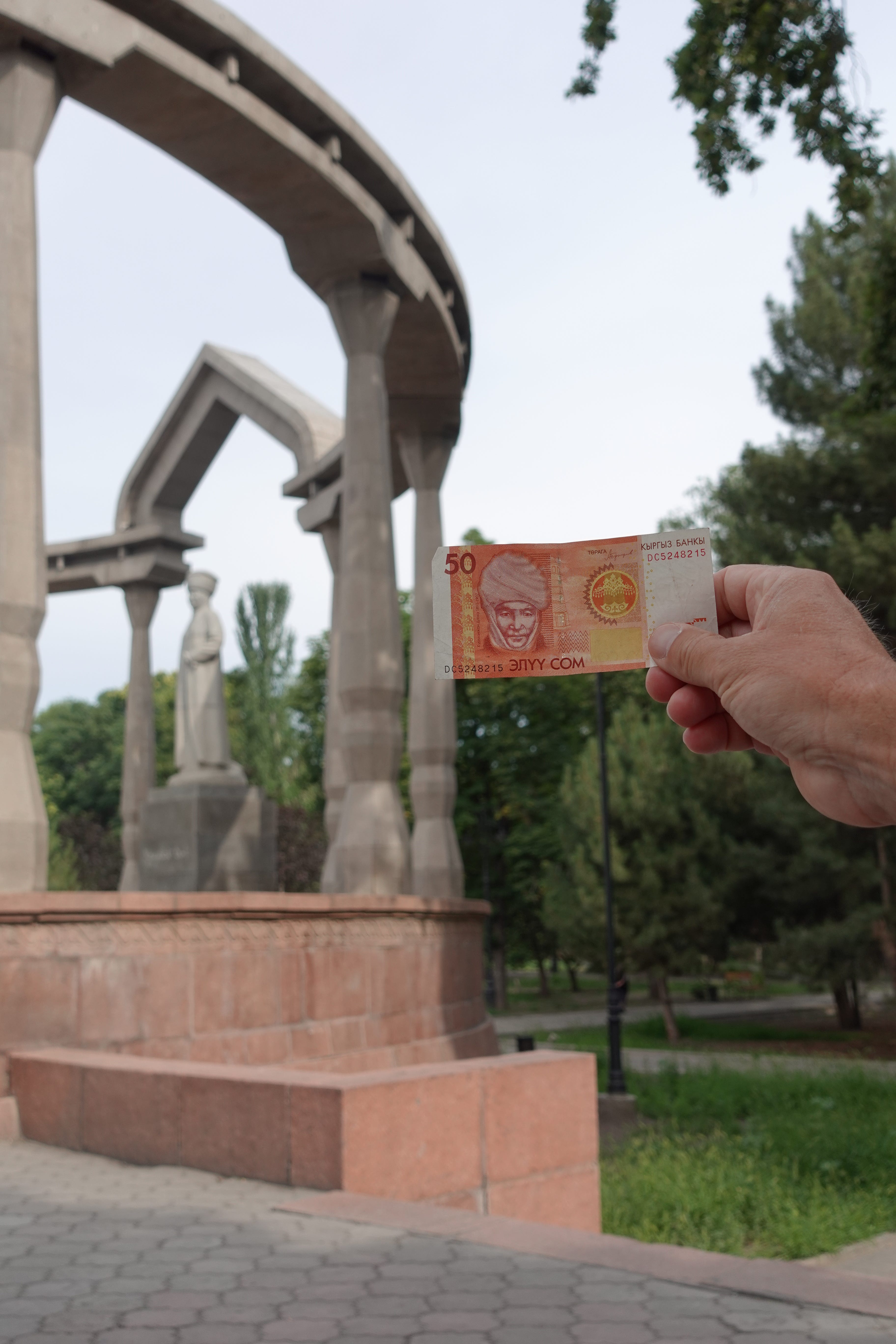
After the tour, which included highlights such as the Oak Park Exhibition Hall, a statue of the “Mother of the Nation”, Kurmanjan Datka, and a slightly bitter fermented grain drink, I exchanged numbers with Nurbübü. I was curious to find out more about life in Kyrgyzstan through the eyes of a local. And I wanted to know how her interactions with international tourists had shaped her view of her country. I learned that her role as a tour guide has been one not just of imparting knowledge, but also of intercultural exchange.
Here are six things I learned from our conversation:
1. Rural to urban migration, followed by emigration is a common path in Kyrgyzstan…
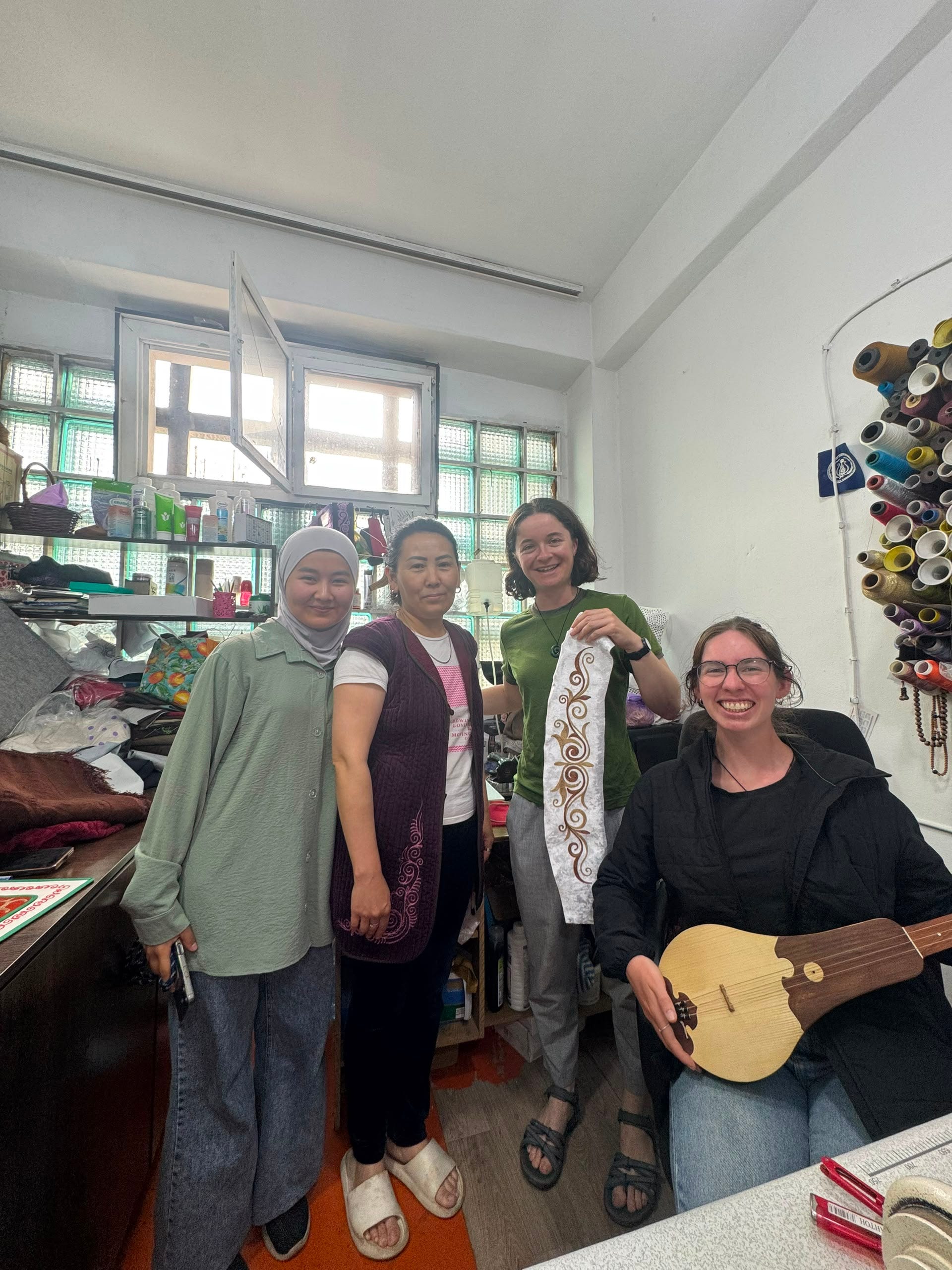
Nurbübü’s story of moving from Batken to the outskirts of Bishkek is not an isolated case. “The dynamics of internal migration in Kyrgyzstan are characterised by rural-urban migration, with people moving from economically disadvantaged regions of the country to more prosperous areas,” according to Integral Human Development. Now based in Tömönkü Chüy village, Nurbübü longs to actually live in Bishkek: “I like my village. But I want to live in Bishkek,” she tells me.
She enjoys going to libraries and coffee shops, such as Espressolab, where she orders cappuccino or iced latte. The Western influence is clear — so much so that she goes to the café with German language books, as she is learning the language. The pull of elsewhere is clearly there.
“Through my work, (…) I learned from tourists that travelling is the best thing. In our culture, everybody collects money for their wedding, for a special day, for gifts. My family never goes abroad, and they don’t know the feeling of being in another country,” she told me. She learned the phrase “culture shock” from tourists and is curious to experience this herself — enthusiastically telling me about a Brazilian tourist’s anecdote about the absence of women-only cars (vagões femininos) on German trains and metros.
In my research, I stumbled across a quote in local news outlet, 24.KG, that gave me much-needed context: “We should not forget that Chüy region is a transit region,” the former Head of the Department of the State Migration Service, Ulan Sharsheyev commented. “Our citizens leave from there for other countries. That is, they live in the region, earn money for a ticket in Bishkek and leave the country, for example, go to Russia, Kazakhstan, Turkey.”
Part of me wondered whether Nurbübü would one day leave Kyrgyzstan or if she would use her knowledge of more rural regions of the country to show tourists traditional ways of life. She recently signed up to Workaway, and tourists can now come and work on her family’s red pepper farm, eat meals with them and see what life is like beyond the tourist traps.
2. Language confidence depends on geography, schooling, politics and exposure

“In my village (in Batken), everybody spoke in the Kyrgyz language. But when we came to Bishkek, everybody spoke in the Russian language,” Nurbübü explained. “For me, it was like I was in another country. I was surprised. I started to learn Russian and look for new friends — it was a new experience for me.” Nurbübü was able to attend classes in Kyrgyz, despite attending a Russian school.
Linguistic capabilities vary greatly across the generations. “The younger generation is starting to learn the Kyrgyz language more,” Nurbübü said. “Nowadays nearly everybody here speaks Kyrgyz, which is good.” But she noted that those who completed their education in Russian may actually struggle to express themselves in Kyrgyz, despite coming from Kyrgyzstan.
Many local musicians and pop stars choose to use both Kyrgyz and Russian to cover all bases. Nurbübü mentions Jax 02.14, a local singer, who sings mainly in Kyrgyz but also released some tunes in Russian or with Russian elements. Bilingualism is very much part of life in Kyrgyzstan and is also a clear overhang of the Soviet Union.
3. Locals will likely travel very differently throughout their own country than tourists
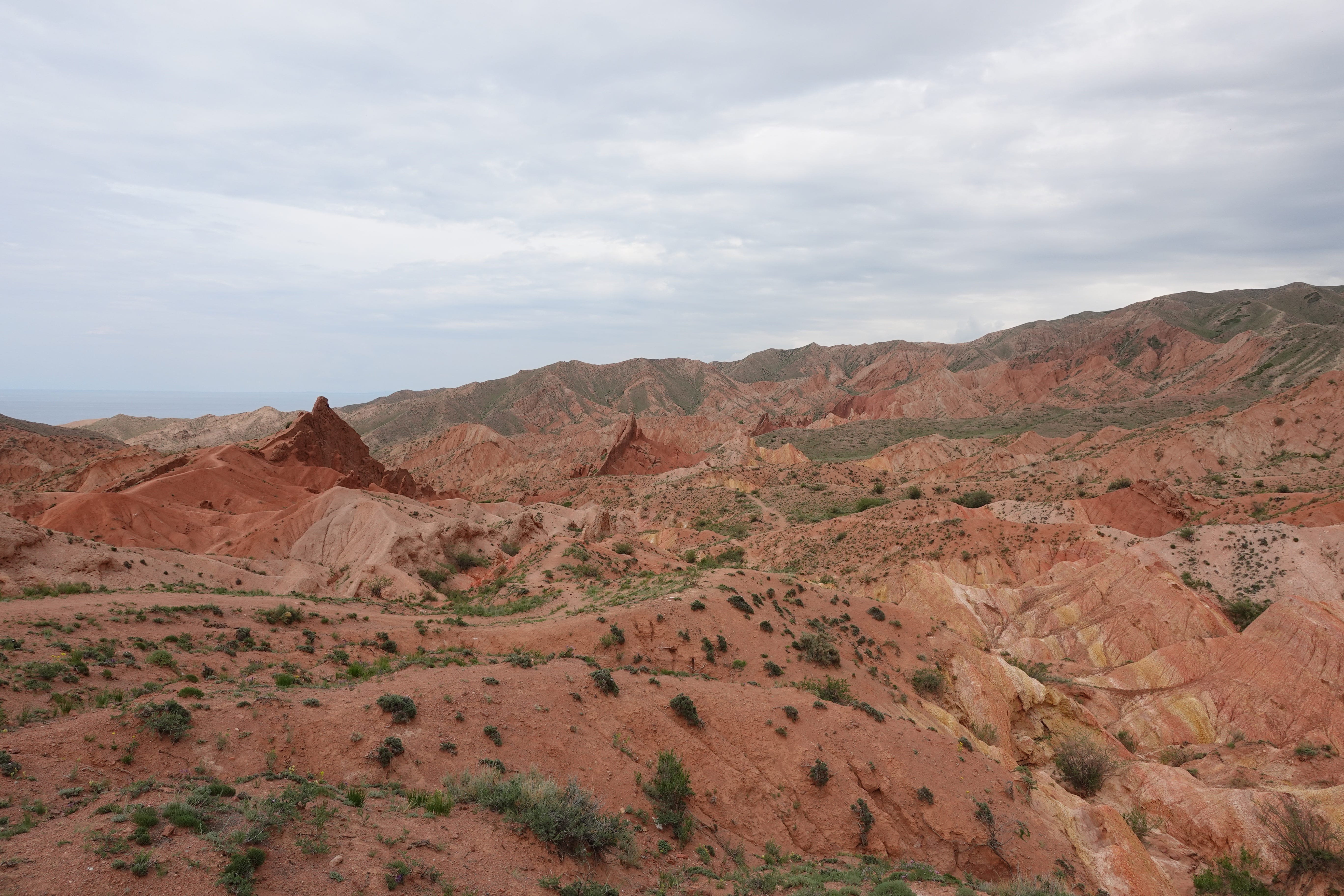
“We have seven regions, and I’ve only been to three of them,” Nurbübü told me. While many tourists hurtle their way through the country, trying to tick off the bucket-list sites, Nurbübü explains that the three regions she knows are Batken, Chüy, and Issyk-Kul, where she holidays with her family to visit the country’s largest lake and the nearby canyons.
“Every year, in summer, we go to Issyk-Kul region. There are red canyons, beautiful mountains, and I also started to ride a horse there. We rent an apartment when we go there. But if we go somewhere out in nature, then we use a yurt.” She explains how yurts have been repurposed by many Kyrgyz people and turned into yurt camps for tourists rather than just being used as campsites while livestock was grazing on high-altitude pastures. Travel was traditionally purpose-driven, rather than for enjoyment — and in this case it continues to be, but the purpose has morphed into providing accommodation for tourists for many.
My mind went back to Fatland’s Sovietistan, where I had learned about the systematic repression of nomadic practices under Soviet rule in favour of agriculture and a life settled in one place. I wonder how Nurbübü’s ancestors travelled across these lands. When telling me about her upcoming Workaway guest, Nurbübü tells me, “I want to go with him to Song-Kul Lake to do horse trekking.” This lake is in Naryn region, in northern Kyrgyzstan, and I begin to realise that tourists are also enabling Nurbübü to see different parts of her own country.
4. Bishkek hangouts for locals
“I really like Yntymak Park, which is a popular place among teenagers. And there is also a space there where people can go and sing a song in front of an audience. You can attend for between 100 and 200 som,” Nurbübü told me. These concerts are usually held in the park’s 800-seat amphitheatre, where the stage resembles an open-air yurt.
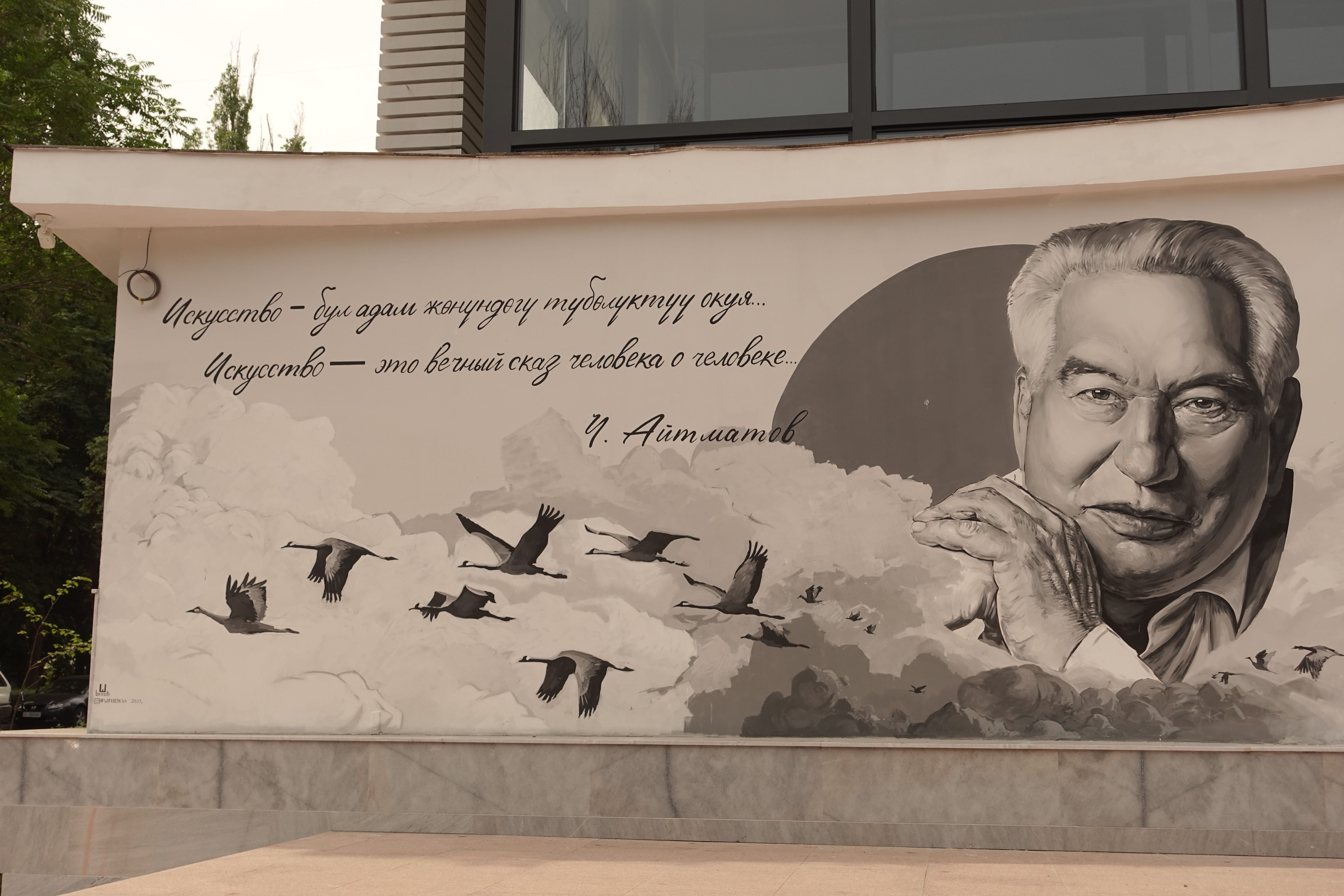
Nurbübü also loves going to Panfilov Park, an amusement park in central Bishkek, which offers free rides for all Kyrgyz nationals. As for museums, Nurbübü has two favourites: “The first one is the National Museum in Ala-Too Square, where you can see a lot of exhibits, mostly from the Silk Road period. And the second one is Chingiz Aitmatov House Museum — our famous writer’s home. I love his books. You can see where he wrote certain books, where he slept, and you can also see all his books.”
Before visiting Kyrgyzstan, I made a point to read Aitmatov’s most famous novella, Jamila, which is basically the Kyrgyz answer to Romeo and Juliet. The story, which is set in 1943 in a rural collective farm in northern Kyrgyzstan gave me an insight into the impact of the Second World War on the people of this region. And a timeless tale of love never hurts.
5. Romance and violence were traditionally linked in Kyrgyz culture

“My parents were classmates and when they graduated, they got married immediately,” Nurbübü told me. But this love-match was unusual among her parents’ generation. I asked her about Ala kachuu (bride kidnap), a practice that had prompted me to buy an 8-euro swiftly oxidizing “wedding ring” before my trip. “Many of my relatives got married like that — but not my parents,” she said. “Now this is forbidden. If it happened nowadays, the boys or men would be sent to prison for more than five years.” She explained how many young Kyrgyz people don’t approve of this practice, telling me, “I want to choose my partner. I want to date him, like more than five months, and know him better. I don’t want to be kidnapped and then get to know him afterwards.” Unfortunately, this practice does still occur in Kyrgyzstan, although it is gradually declining due to stricter legislation and changing views.
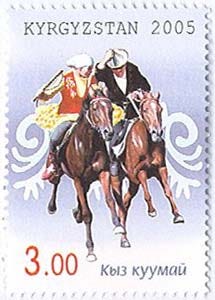
Another tradition that Nurbübü told me about that often shocks tourists is Kyz Kuumai (“girl chasing”). “A woman and a man ride horses. The woman rides away from the man, and the man has to catch the woman and kiss her face. If he kisses her, he wins. If not, they will turn around, and the woman, who is carrying a whip, will try to catch the man and strike him.” This nomadic game is traditionally played during weddings and festivals in many places in the Turkic world. The aim is to show good horsemanship and to test the groom’s determination to get his bride.
6. The meat-heavy diet, fermentation and the practice of using every part of the animal are nomadic overhangs
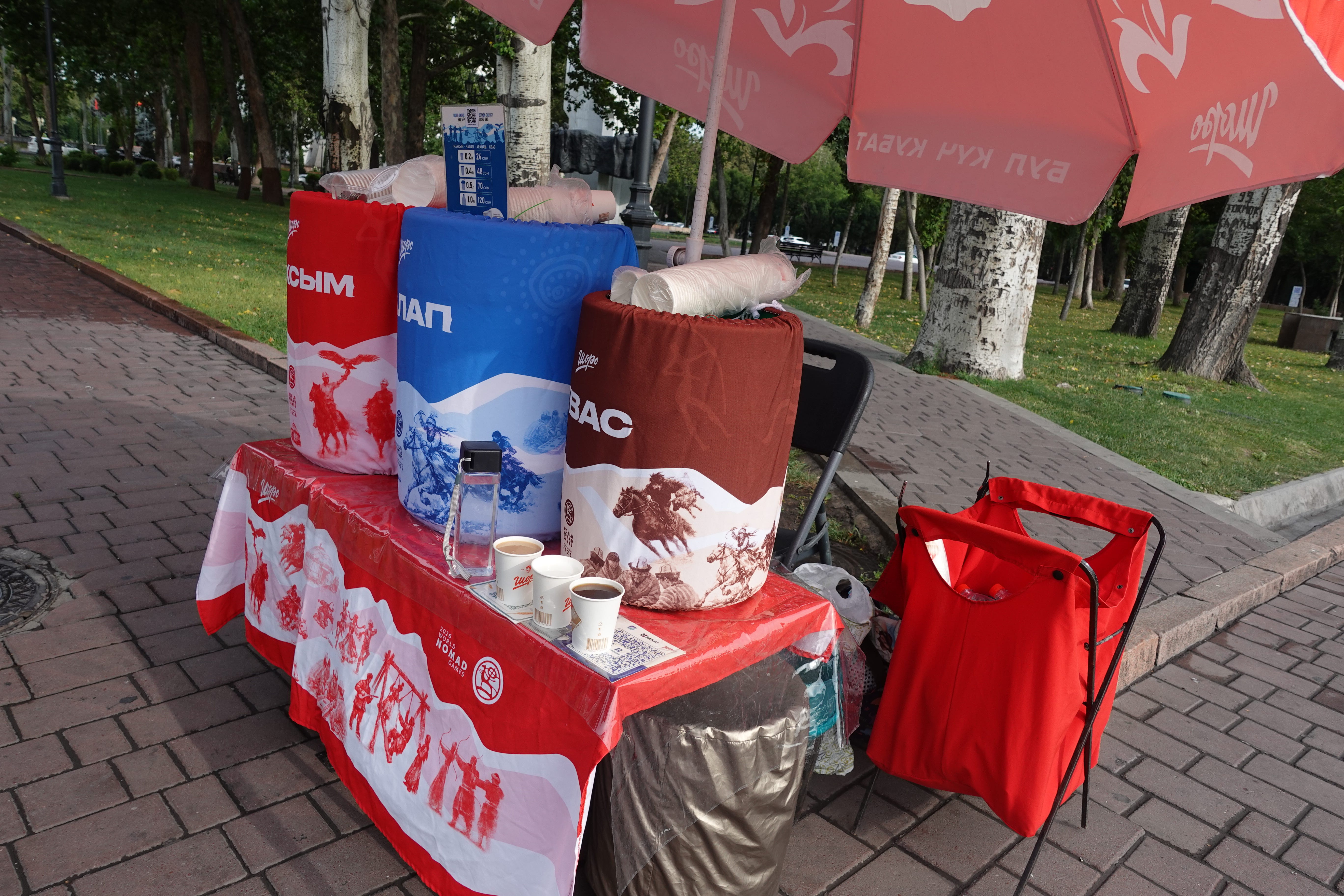
When I asked Nurbübü what she liked most about Kyrgyz cuisine, she told me, “In every meal, we add meat.” I laughed, thinking of my vegetarian and vegan friends complaining about the meat-heavy diet in Spain, where I am based. “They’d love this,” I thought.
But this diet, like the fermented milk, grain and bread drinks, seemed to be directly linked to nomadic culture. When living in yurts in remote locations, nomads were dependent on their livestock for sustenance against the harsh winters. It was no surprise that meat was a major part of the diet. Ordo, the traditional nomadic game involving flicking sheep or goat ankle bones, is another example of resourcefulness. And, while staying the night by Song-Kul Lake, I saw a dog playing with a horse hoof — a sight I had never seen before.
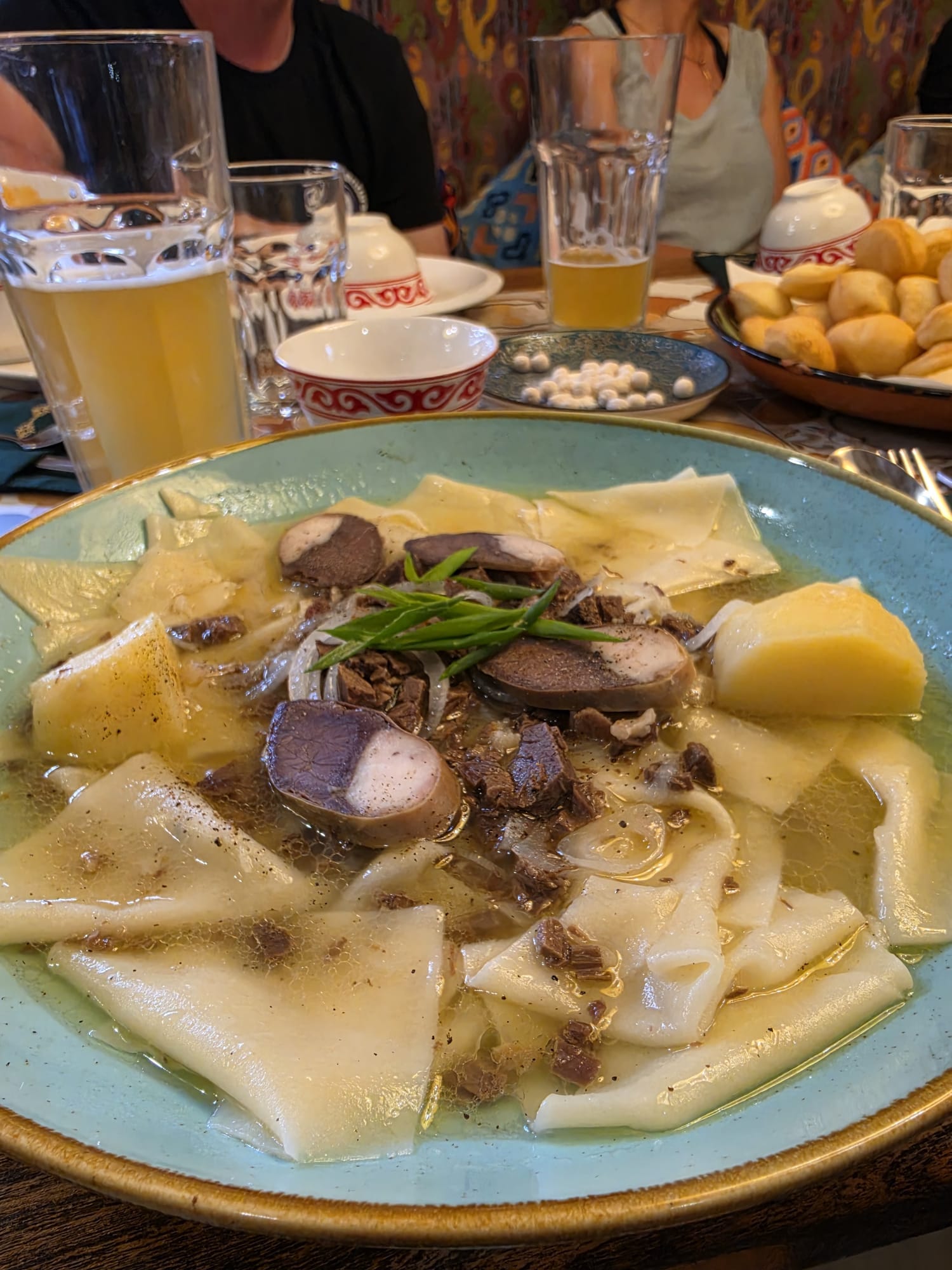
Two of the dishes that Nurbübü recommended are Lagman (a noodle dish with vegetables and meat, which was brought to Kyrgyzstan by the Chinese Dungan community) and Beshbarmak (the national dish, which is often made with horse meat and large noodles in an onion broth). If you find yourself in Bishkek, then head on down to Navat, Nurbübü’s favourite Kyrgyz restaurant, where there are often also traditional dance performances and flashmobs performed by waiters and waitresses.
In summary, speaking to Nurbübü opened my eyes to a different Kyrgyzstan to the Kyrgyzstan I had experienced as a tourist. Have you ever had a conversation that made you look at a place differently or understand it more deeply? Share your experiences in the comments.
🫶🏻❤️
Kyrgyzstan is an incredible country. Slept in a yurt, drank horse milk w/ the locals, even witnessed a horse circumcision (which was actually kind of gruesome). Would love to return someday.